
Water Hygiene &
Legionella Compliance
We help dutyholders meet their legal obligations under ACoP L8 and HSG274 with a full suite of water hygiene and Legionella compliance services. From routine temperature checks to full remedial works, our approach is practical, thorough, and documentation-ready.
Overview
Legionella bacteria can pose a serious risk to health if not properly controlled. Inadequate management of water systems can lead to outbreaks, legal action, or even fatalities. The law requires regular monitoring, risk assessments, and proactive steps to reduce the risk of Legionella and other pathogens.
As members of the Legionella Control Association (LCA), we’re trusted to carry out these services in line with the highest industry standards.
Why It Matters
Routine Monitoring: Regular temperature checks, visual inspections and compliance record-keeping.
Tank Cleans & Disinfections: Thorough cleaning and chemical disinfection of water storage tanks to prevent bacterial growth.
Dead Leg Removal: Identification and removal of redundant pipework where water stagnates.
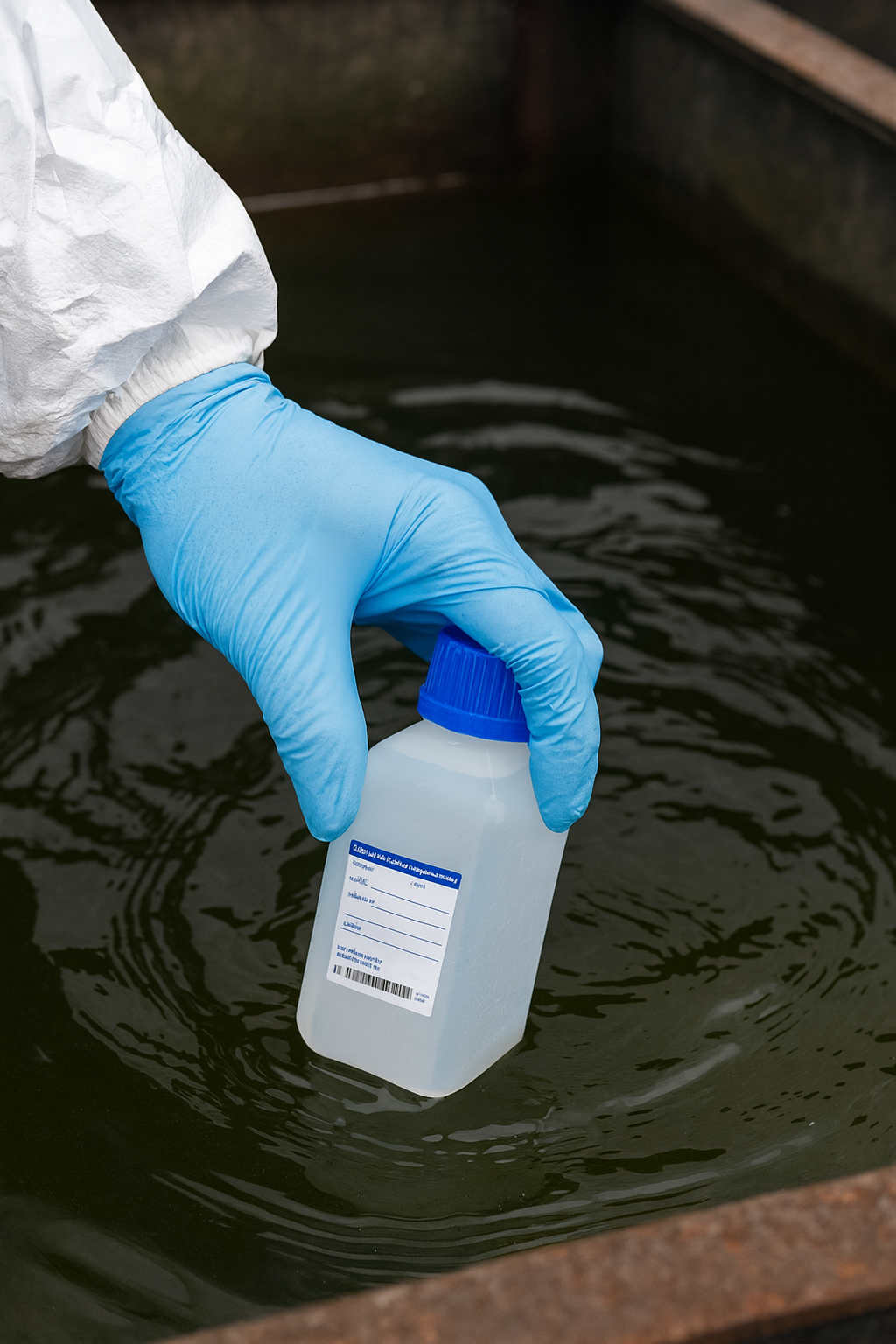
Microbiological Sampling: Accredited lab analysis for Legionella, pseudomonas, and other waterborne organisms.
Closed System Analysis: Comprehensive testing of closed heating and chilled water systems, analysing factors such as pH levels, conductivity, inhibitor concentration, corrosion indicators, suspended solids and microbiological contamination. Following analysis, we provide recommendations and corrective actions where required.
Remedial Works: Corrective tasks such as insulation, re-routing pipework or replacing valves to support compliance.
L8 Compliance Packages: Tailored service plans for different sectors, including documentation and regular servicing.
Drinking Fountain Servicing: Cleaning, filter replacements and disinfection for public drinking water systems.
Water Treatment: Water treatment of decorative water fountains.
What We Offer
-
Closed system analysis is the testing of water within heating and chilled water systems to assess water quality and determine whether treatment chemicals are performing correctly.
-
A dead leg is a length of pipe where water has little or no flow. This stagnant water can encourage the growth of bacteria, including Legionella, and increases the risk of contamination.
-
UK guidance under ACoP L8 and HSG274 states that dead legs should be avoided wherever possible. If identified during a Legionella risk assessment, they should be removed or managed as part of remedial works.
-
Dead legs are identified during system surveys and risk assessments. Removal typically involves altering or removing redundant pipework to restore flow and reduce stagnation.
-
Yes - if you’re an employer, landlord or responsible for a water system, you are legally required to assess and manage the risk.
-
This varies based on system complexity and risk level - often monthly, quarterly or annually.
-
Yes - our services include full documentation, logbooks, lab certificates and remedial reports.
-
Legionella testing involves taking water samples from selected outlets or storage points and sending them to a UKAS-accredited laboratory for analysis. Sampling is usually carried out as part of a wider water hygiene and monitoring programme.
-
Legionella infection in humans is diagnosed by medical professionals, usually through urine or blood tests. Water testing and medical testing are separate processes, and environmental testing is essential to prevent exposure in the first place.